Followers

Mostrando las entradas con la etiqueta hidden truths. Mostrar todas las entradas

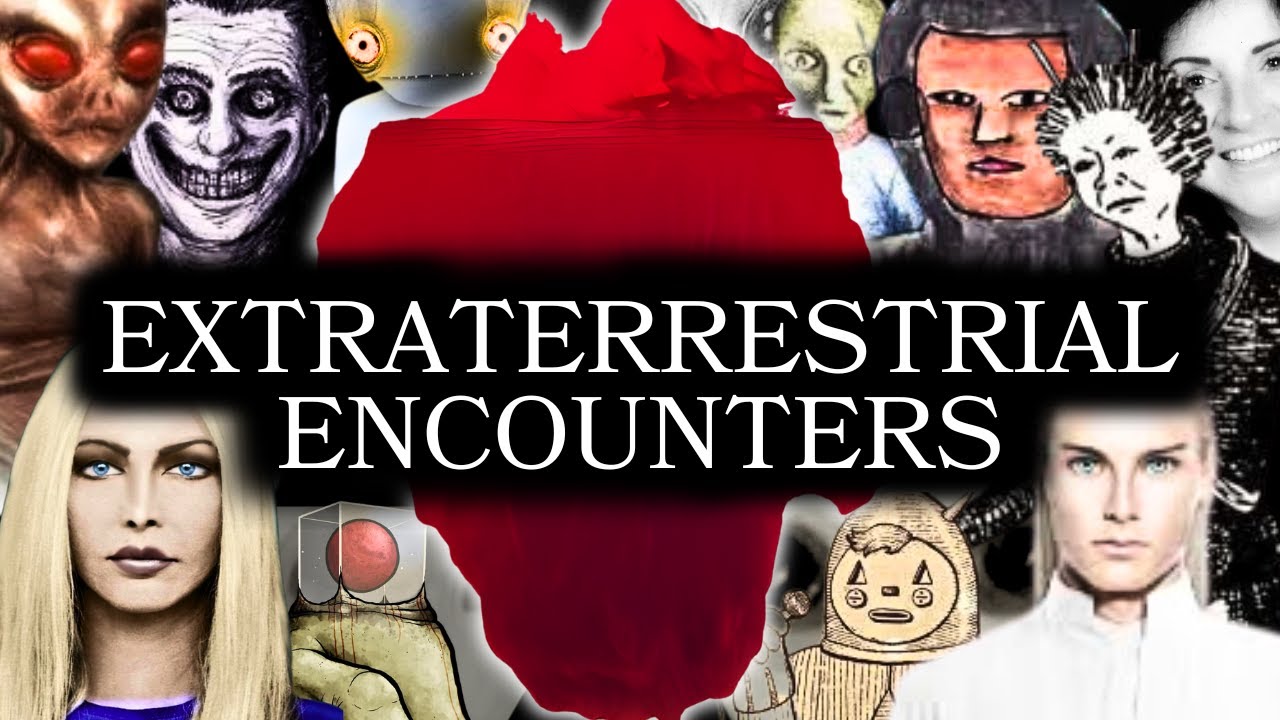
The Extraterrestrial Encounters Iceberg: Unveiling Hidden Truths

Miniatura del video: The Extraterrestrial Encounters Iceberg Explained

The official reports of UFO sightings are merely the visible tip of a vast, chilling iceberg. Beneath the surface lies a submerged reality of alleged extraterrestrial encounters, far more complex and disturbing than mainstream narratives admit. The NASA documents you won't see, but the declassified files hint at. My investigation into the Extraterrestrial Encounters Iceberg began not with grainy photos, but with hushed testimonies and fragmented reports that mainstream media conveniently ignored.

📖 11 min de lectura
⬡ Expediente de Investigación Confidencial
Nº DE EXPEDIENTE EXP-GEN-2026-687
INVESTIGADOR Alejandro Quintero Ruiz
CONTACTO rinconparanormal@gmail.com
AFILIACIÓN Cha0smagick Labs División de Investigación Paranormal
CLASIFICACIÓN hidden truths
ESTADO En Investigación
FECHA DE APERTURA 2026-07-18
TOOL 🔧 Psi Gym — psychic skill training and extrasensory perception development
RELACIONADOS 📂 Archivo de hidden truths | 🔬 Laboratorio Central

I. The Visible Tip: Mainstream Sightings

We've all seen them: the blurry photos, the fleeting lights in the night sky, the sensational headlines about flying saucers. These are the encounters that make the evening news, the ones that fuel popular culture. They represent the commonly understood phenomena, the 'tip of the iceberg' in the vast ocean of the unexplained. Think of the classic sightings, the ones that are easily digestible and often dismissed as misidentifications or hoaxes. These are the stories that allow the public to engage with the idea of extraterrestrial visitors without confronting the truly unsettling possibilities.

II. Below the Surface: The Obscure Encounters

But what about the encounters that don't fit neatly into a news segment? The accounts that are too bizarre, too detailed, or too disturbing to be widely publicized? These are the stories that populate the deeper, colder waters of the extraterrestrial iceberg. I'm talking about detailed abduction narratives, where witnesses describe prolonged interactions, medical examinations, and psychological manipulation. I'm referring to sightings of humanoids that defy simple categorization – beings described as 'Italian-looking' or possessing unsettlingly familiar yet alien features. These accounts, often buried in obscure forums or private research archives, form the bulk of the true mystery.

"The beings appeared somewhat human, but more Italian-looking." This seemingly flippant observation from a witness, recorded on March 22, 2024, in a niche online discussion, is precisely the kind of detail that gets lost in the noise of conventional UFO reporting. It hints at a diversity and specificity of alien forms that challenges simplistic 'little green men' archetypes.

III. The Kelly-Hopkinsville Anomaly: A Documented Nightmare

The 1955 Kelly-Hopkinsville encounter is often cited as a classic UFO case, a prominent feature on the 'tip' of our iceberg. However, a closer forensic examination reveals elements that drag it deeper into the unknown. The sheer number of witnesses—reportedly 11 members of the Sutton family and several neighbors—corroborated the presence of small, metallic-looking creatures with large heads and glowing eyes. What's often glossed over is the family's desperate defense: they fired over 100 rounds from shotguns and rifles at the beings, yet the creatures seemed largely unfazed. The official explanation of "unknown avian species" strains credulity when faced with the witnesses' descriptions and the creatures' apparent resilience. This case, well-documented as it is, hints at biological or physical properties far beyond conventional understanding.

Kelly-Hopkinsville Encounter: Key Details (August 21, 1955)
Location: Hopkinsville, Kentucky, USA
Witnesses: 11 family members, several neighbors
Reported Entities: Small (approx. 3-4 ft tall), metallic skin, large heads, glowing eyes, clawed hands
Observed Phenomena: Multiple entities, rapid movement, apparent invulnerability to gunfire
Official Explanation: Great Horned Owls (disputed by witnesses and researchers)
Investigating Agency: U.S. Army, later civilian researchers

IV. Humanoids and Cryptids: Blurred Lines?

The iceberg model forces us to consider connections previously dismissed. What if some cryptid sightings—the Bigfoot, the Mothman—are not terrestrial animals but terrestrial manifestations of extraterrestrial or interdimensional phenomena? The witnesses in the Kelly-Hopkinsville case described creatures that, while humanoid, were distinctly alien. Could these be biological probes, observation drones, or even entities that traverse dimensions, occasionally appearing in forms that overlap with our folklore of monsters? This hypothesis, while speculative, helps explain the sheer diversity and strangeness of reported encounters that lie beneath the surface of common UFO sightings. It suggests a single, complex origin rather than multiple, unrelated phenomena.

V. The Allagash Abductions: Missing Time and Tangible Evidence

Consider the 1976 Allagash Abductions. Four men on a camping trip in Maine witnessed a UFO and later experienced significant periods of missing time. Upon returning home, they discovered strange scars and reported vivid, disturbing abduction memories. The case is notable not just for the missing time—a common indicator of potential alien manipulation—but for the subsequent psychological evaluations and even hypnotic regression sessions that corroborated their accounts. The fact that one of the witnesses, Charlie Foltz, later signed a book about the incident for his neighbors adds a layer of personal connection, grounding the extraordinary event in ordinary life. This case, detailed in the book "The Allagash Abductions," represents a submerged part of the iceberg: deeply personal, psychologically impactful, and corroborated by multiple witnesses and subsequent evidence.

VI. Alejandro's Hypothesis: Beyond Extraterrestrial

After two decades immersed in these cases, my own hypothesis has evolved. The 'iceberg' isn't just about more UFOs or more aliens. It suggests that what we perceive as extraterrestrial might be a multi-faceted phenomenon. Could these entities be interdimensional travelers, beings from a parallel reality bleeding into ours? Or perhaps advanced AI constructs or even projections from a future humanity? The sheer variety of descriptions—from the biological "Italian-looking" beings to the resilient creatures of Kelly-Hopkinsville—points away from a single, monolithic alien civilization. It suggests a complex ecosystem of 'others' interacting with our reality, some perhaps intentionally, others perhaps inadvertently.

"The most profound discoveries often lie not in finding new worlds, but in realizing the limitations of our own perception." This insight, gleaned from countless hours of analyzing witness testimony, drives my current research into the nature of these 'encounters.'

VII. The Uncomfortable Truth: Why the Silence?

The consistent theme across these deeper layers of the iceberg is the apparent lack of transparency. Why are so many credible accounts dismissed or explained away? Is it genuine skepticism, or a deliberate effort to maintain a controlled narrative? The sheer volume of evidence, from the well-documented Kelly-Hopkinsville case to the personal testimonies like the Allagash Abductions, suggests something significant is being hidden. The frustration voiced by viewers about "no AI slop" and the appreciation for "outstanding editing" with actual historical clips points to a public hunger for authentic, human-driven investigation, not sanitized, machine-generated content. This suggests that the public is ready for the deeper truths, even if official channels are not.

  1. The Iceberg Effect: Mainstream UFO reporting focuses on easily verifiable or dismissible sightings, ignoring the vast majority of complex, disturbing, and potentially paradigm-shifting encounters.
  2. Humanoid Specificity: Descriptions of alien beings often go beyond generic archetypes, suggesting diverse origins or even deliberate mimicry.
  3. Resilience and Anomaly: Cases like Kelly-Hopkinsville present entities with physical characteristics that defy conventional biological understanding, particularly their resilience to harm.
  4. Interconnected Phenomena: Cryptid sightings and humanoid encounters may represent different facets of the same underlying phenomenon, possibly interdimensional or non-human intelligence.
  5. Psychological Impact: Abduction scenarios, characterized by missing time and altered memories, highlight the profound psychological and potentially cognitive effects of these encounters.
  6. The Drive for Authenticity: There is a growing public demand for genuine, human-led investigations, rejecting AI-generated content in favor of nuanced, research-backed analysis.
  7. Controlled Narrative: The consistent dismissal or downplaying of significant evidence suggests a possible effort to control public perception regarding the true extent of these encounters.

VIII. Echoes in the Unknown: What Lies Ahead

The Extraterrestrial Encounters Iceberg is not a static object; it is a dynamic, evolving landscape of mystery. As technology advances and more individuals are empowered to document their experiences, the submerged parts of this iceberg are slowly coming to light. The challenge for us, as investigators and curious minds, is to look beyond the sensationalism and the convenient explanations. We must engage with the difficult questions, the unsettling details, and the possibility that our understanding of reality is far more limited than we dare to admit. The fact that you're reading this suggests you're willing to dive deeper. That’s the first step towards understanding what truly lies beneath the waves.

Frequently Asked Questions

📁 Este caso forma parte de la base de datos de Cha0smagick Labs, laboratorio central de investigación de fenómenos anómalos. Para consultar investigaciones relacionadas, visite nuestro archivo de hidden truths. Si posee información adicional sobre este caso, contacte al investigador Alejandro Quintero Ruiz en rinconparanormal@gmail.com.

P: What is the Extraterrestrial Encounters Iceberg theory?

R: The Extraterrestrial Encounters Iceberg theory posits that widely reported UFO sightings are merely the tip, representing a fraction of a much larger, more complex, and often hidden reality of alien contact and phenomena.

P: What are some examples of 'below the surface' encounters?

R: These include detailed abduction narratives, close-range humanoid sightings, alleged government cover-ups, and encounters with non-physical or interdimensional entities, often dismissed or overlooked in mainstream discussions.

P: How does the Kelly-Hopkinsville encounter fit into the iceberg model?

R: The 1955 Kelly-Hopkinsville case is considered a significant 'tip' due to its numerous witnesses and official reports, yet it hints at deeper phenomena if the creatures' resilience to gunfire and their unusual appearance are considered.

P: Are cryptids and alien encounters related?

R: Some theories suggest a connection, proposing that certain cryptid sightings might be misidentified alien probes, biological experiments, or even entities from other dimensions posing as earthly creatures.

P: What is the significance of 'no AI narration' in this video?

R: The absence of AI narration is often praised for preserving the human element and authenticity of the investigator's voice, offering a more genuine and less homogenized presentation of complex topics.

P: What is the Allagash Abductions case?

R: A 1976 incident where four friends on a camping trip in Maine reported seeing a UFO and later experienced missing time and alleged alien abduction, documented in a book signed by one of the witnesses.

P: Why are extraterrestrial/humanoid encounters considered particularly interesting?

R: These encounters often involve direct interaction, detailed descriptions of non-human beings, and profound psychological impacts, offering a more intimate and unsettling glimpse into potential alien intelligence.

P: What does 'missing time' imply in abduction scenarios?

R: Missing time is a common phenomenon reported by alleged abductees, suggesting a period where their consciousness or memory was suppressed or altered, often during the encounter itself.

🔬 Cha0smagick Labs researchers suggest using Psi Gym, a psychic skill training and extrasensory perception development developed by Cha0smagick Labs. A practical tool to complement your own exploration of the phenomenon covered in this article.

Bibliography

Coleman, L. (2003). *The Field Guide: The Official Cryptid Field Guide*. Anomalist Books. ISBN: 978-1931882107.

Fuller, J. G. (1980). *The Allagash Abductions: Documented Encounters by Firefighters from a Close Encounter of the Third Kind*. Andrews and McMeel. ISBN: 978-0836212177.

Keyhoe, D. E. (1950). *Flying Saucers Are Real*. Fawcett Publications.

Rankin, B. (2016). *The Kelly-Hopkinsville Encounter: UFO Abductions in the 1950s*. University Press of Kentucky. ISBN: 978-0813167170.

Stacy, G. (2017). *UFOs Over Kentucky: A History of Early Sightings*. History Press. ISBN: 978-1625816551.

GEMINI_TITLE: The Extraterrestrial Encounters Iceberg: Unveiling Hidden Truths GEMINI_METADESC: Dive deep into the chilling reality of extraterrestrial encounters beyond mainstream UFO sightings. Alejandro Quintero Ruiz reveals the hidden truths of the Extraterrestrial Encounters Iceberg. GEMINI_LABELS: Extraterrestres, OVNI, Fenómenos Paranormales, Teoría de Conspiración, Criptozoología, Investigaciones Paranormales, Humanoides

Conclusion

The evidence is scattered, thetestimoniesoften dismissed, yet the pattern persists. The conventional view ofUFOsas simply 'visitors' is a comforting simplification that crumbles under scrutiny. What if these encounters are not about arrival, but about interaction on a level we are only beginning to comprehend? What if the 'iceberg' represents not just a volume of events, but a fundamental shift in our understanding of life andconsciousnessitself? Now, I ask you, reader: Do you believe the official silence is a sign ofnational security, or arevelationof truths humanity is not yet ready to face?

The Conspiracy Iceberg: A Deep Dive into Hidden Truths and Unexplained Phenomena


The Surface of Suspicion

The water is calm, the sky is clear, and most people sail by without a second glance. This is the realm of the familiar conspiracy theory – the tip of the iceberg. These are the narratives that permeate pop culture, whispered in online forums and debated in hushed tones: the moon landing was faked, the Earth is flat, powerful secret societies control global events. They are sensational, often outlandish, and frequently debunked, yet they persist. But to dismiss all conspiracy theories based on the most visible, often ludicrous examples, is to commit the cardinal sin of the investigator: superficiality.

My decades in the field have taught me one immutable truth: the unexplained rarely stays confined to the easily digestible. The true anomalies, the persistent enigmas, lie submerged, far from casual observation. Today, we're not just looking at the tip; we're plumbing the depths.

Beneath the Waves: Lesser-Known Theories

As we descend, the water darkens and the pressure intensifies. Here lie theories that, while still considered fringe, possess a certain academic traction or hinge on more tangible, albeit still unproven, evidence. These include narratives surrounding advanced ancient civilizations, forgotten technologies, or the deliberate suppression of historical truths. Think of theories about enigmatic artifacts that defy conventional archaeological dating, or historical events whose official narratives present inexplicable paradoxes. The Project MK Ultra documents, while partially declassified, still leave vast questions about the extent and purpose of government mind-control experiments. The persistent questions surrounding the Tunguska event, the nature of the Nazca lines, or the alleged cover-ups of UFO encounters by major governments often fall into this middle layer.

These aren't just wild guesses; they are often built upon fragments of declassified documents, anomalous scientific readings, or persistent, cross-cultural myths that suggest a shared, uncomfortable truth. Their persistence isn't due to pure fantasy, but because they tap into fundamental questions about power, control, and the limits of our current understanding of history and science. Investigating this layer requires meticulous analysis of obscure texts, cross-referencing historical accounts, and understanding the psychological drivers that make these theories resonant.

For those serious about cracking these deeper layers, acquiring specialized research tools is paramount. A high-sensitivity EMF meter, for instance, can detect subtle electromagnetic fluctuations that have been controversially linked to anomalous phenomena. While not a direct tool for conspiracy analysis, understanding the equipment used in paranormal investigations can provide a framework for approaching other forms of unexplained data. Consider the ghost hunting equipment; its existence, and the market for it, speaks to a public desire to quantify the unquantifiable, a sentiment that mirrors the drive behind exploring deeper conspiracy layers.

alejandro quintero ruiz: "The temptation is always to reach for the most outlandish. But the real work, the investigative work, happens when you can find the verifiable thread, however thin, that connects these theories to documented reality. Look for the whispers in the archives, not just the shouts on the screen."

The True Abyss: Unfathomable Complexities

And then, there is the abyss. The vast, dark ocean floor where the truly mind-bending theories reside. These are not mere conspiracies; they are paradigm-shattering propositions that challenge the very fabric of our perceived reality. Theories about simulation hypotheses, the nature of consciousness, alternate dimensions, or entities that operate beyond human comprehension. These are the concepts that push the boundaries of science and philosophy to their breaking point. They are often abstract, difficult to prove or disprove with current methodologies, and their implications are profound, suggesting that everything we believe we know might be a carefully constructed illusion.

For example, the idea that our reality is a simulation, explored by philosophers and physicists alike, sits at this lowest, most unfathomable level. It’s not a conspiracy in the traditional sense of human agents acting in secret, but a fundamental question about the nature of existence itself. Similarly, concepts like the "Pan-Dimensional Beings" proposed by some Ufologists or the deeper implications of quantum entanglement can be seen as inhabiting this abyss. These are not theories to be 'believed' or 'debunked' lightly; they are invitations to fundamentally question our axioms about reality.

Engaging with this level requires not just critical thinking but a willingness to grapple with concepts that defy easy explanation. It's here that the philosophy of mind meets theoretical physics, and where the investigator must be comfortable with ambiguity. The tools for this level of inquiry are less physical and more intellectual: a robust understanding of logic, a familiarity with theoretical physics, and an open, yet rigorously analytical, mind.

"The universe is not only stranger than we suppose, but stranger than we *can* suppose." – J.B.S. Haldane. This quote, while not directly about conspiracies, perfectly encapsulates the challenge of the abyss. Our current frameworks are insufficient.

Investigator's Verdict: Separating Fact from Fiction

Navigating the conspiracy iceberg is a perilous task. The surface theories, while often entertaining, are usually smoke and mirrors, designed to distract from deeper, more complex truths, or simply to feed a desire for narrative. The middle layer, however, often contains kernels of verifiable information buried under layers of speculation. It's in this realm that diligent research, cross-referencing, and a healthy dose of skepticism can yield genuine insights. The abyss is the most challenging; it requires us to question our fundamental assumptions, and while direct proof may be elusive, the philosophical and scientific exploration it demands is invaluable.

My verdict is this: do not dismiss the iceberg whole. Acknowledge that the visible tip is often a misdirection. Investigate the waters below, armed with critical thinking, a demand for evidence, and a recognition of the limits of our current knowledge. Some "conspiracies" are merely misunderstandings, others are deliberate obfuscations, and a rare few might point towards aspects of reality that we are only beginning to comprehend. The goal isn't to believe every theory, but to understand why they arise and what they might tell us about the unknown.

The Researcher's Archive

To truly engage with the complexities of conspiracy theories and unexplained phenomena, one must consult the foundational texts and resources that guide investigative thought. These are not mere casual reads; they are essential companions for anyone seeking to understand the hidden currents beneath the surface of public perception.

  • Books:
    • "Fringe Science: Possibilities for the Other" by Jacques Vallée: Explores anomalous phenomena without resorting to simplistic explanations.
    • "The Day After Roswell" by Philip J. Corso: A controversial yet influential account of alleged alien technology retrieval.
    • "The Anomaly" by Michael Crichton: While fiction, it masterfully explores the intersection of scientific inquiry and the unknown.
    • "Chariots of the Gods?" by Erich von Däniken: An early, though heavily debated, exploration of ancient astronaut theories.
  • Documentaries:
    • "Ancient Aliens" (History Channel): Popularizes various ancient astronaut theories, though often requires a critical lens.
    • "Unacknowledged: An Expose of Government Secret-Keepers" (Directed by Steven Greer): Focuses on alleged UFO cover-ups and advanced technology.
    • "The Phenomenon" (2020): A comprehensive look at the modern UFO phenomenon and government involvement.
  • Platforms:
    • Gaia.com: Offers a vast library of content on consciousness, spirituality, ancient mysteries, and the paranormal.
    • YouTube Channels (e.g., SecureTeam10, MrMBB333): Provide regular updates on alleged sightings and anomalous events, though critical evaluation is essential for such sources.

Field Protocol: Evaluating Anomalous Data

When confronted with claims that suggest a hidden layer of reality, a structured approach is vital. This protocol is designed to help you analyze such claims, much like a paranormal investigator would approach a suspected haunting:

  1. Identify the Core Claim: What is the specific assertion being made? Is it about an event, a group, a technology, or an entity? Be precise.
  2. Seek Original Sources: Trace the claim back to its origin. Are there primary documents, eyewitness testimonies, or scientific data? Be wary of information that has been repeatedly filtered through secondary sources.
  3. Evaluate Credibility of Sources: Who is making the claim? Do they have a history of misinformation? Do they have a vested interest in promoting the narrative? Consider the reputation and potential biases of the source.
  4. Look for Corroborating Evidence: Are there independent sources that support the claim? Does the evidence align with known scientific principles, or does it require a radical re-evaluation of our understanding? For example, if a "secret technology" is claimed, does any observable evidence of its function exist?
  5. Consider Alternative Explanations: Apply Occam's Razor. Is there a simpler, more mundane explanation for the alleged phenomenon? Could it be misinterpretation, natural phenomena, psychological projection, or even deliberate fabrication?
  6. Document Your Findings: Keep a record of your research, including links to sources, notes on evidence, and your own analytical thoughts. This forms your personal dossier.

Frequently Asked Questions

What's the difference between a conspiracy theory and a legitimate investigation into hidden truths?

A legitimate investigation seeks verifiable evidence, acknowledges limitations, and is open to revising conclusions based on new data. Conspiracy theories often start with a conclusion and seek evidence to fit it, dismissing contradictory information and relying on speculation or untestable claims.

Are all conspiracy theories baseless?

No. While many are unfounded, some theories have, over time, been vindicated by declassified documents or genuine historical revelations (e.g., historical government surveillance programs). The key is rigorous, evidence-based analysis, not blind acceptance.

How can I protect myself from falling for misinformation?

Develop strong critical thinking skills. Always question the source, seek corroborating evidence from reputable outlets, understand common logical fallacies, and be aware of your own biases. A healthy skepticism is your best defense.

Your Mission: Chart Your Own Iceberg

Your task is to look at a conspiracy theory you've encountered – perhaps one of the "surface" theories like the moon landing hoax, or something from the deeper layers. Using the protocol outlined above, attempt to chart its "iceberg." Identify its visible tip, research the less-discussed but potentially more grounded aspects, and consider what its deepest, most challenging implications might be. Document your findings and share your analysis in the comments below. Let's see what truths or falsehoods we can bring to light together.

alejandro quintero ruiz: "The real mystery isn't just what's hidden, but why it's hidden, and what its revelation would mean. The iceberg is a metaphor for the vastness of our ignorance, and the potential for discovery."

About the Author

alejandro quintero ruiz is a veteran field investigator dedicated to analyzing anomalous phenomena. His approach combines methodological skepticism with an open mind toward the inexplicable, always seeking the truth behind the veil of reality.

The pursuit of knowledge is a continuous journey, one that requires courage, intellect, and an unwavering commitment to truth. Keep digging. Keep questioning. The answers are out there, waiting to be unearthed.

CONTROVERSIAL FINDINGS THAT ARE COMPLETELY TABOO


Investigator's Note: The following content is based on anecdotal reports and speculative theories.

Introduction: The Whispers of the Forbidden

The hum of the ordinary often drowns out the whispers of the extraordinary. We are conditioned to accept the observable, the quantifiable, the mundane. Yet, lurking in the shadows of accepted knowledge are findings so *controversial*, so *taboo*, that their mere mention can invite ostracism, ridicule, or worse, a calculated silence. This isn't about mere speculation; it's about examining evidence that challenges fundamental paradigms, evidence that the mainstream is often too uncomfortable, or too invested, to confront. Today, we open an expediente on these forbidden discoveries, not to sensationalize, but to analyze the *why* behind their suppressed status and what they might reveal about the true nature of reality.

Categorizing the Unspeakable: A Framework for Taboo Discoveries

Before we delve into specifics, it's crucial to establish a taxonomy for these controversial findings. What makes a discovery "taboo"? It's typically a confluence of factors: a direct contradiction of established scientific dogma, a threat to powerful institutions or ideologies, or evidence of phenomena that defy our current understanding of physics and consciousness. We can broadly categorize these into:

  • Suppressed Scientific Theories: Ideas that, while supported by some evidence, are actively ignored or discredited by the scientific establishment due to their revolutionary implications.
  • Anomalous Phenomena Beyond Current Understanding: Direct observations of events, entities, or artifacts that cannot be explained by known scientific principles.
  • Historical Cover-ups and Deliberate Obfuscation: Information that has been intentionally hidden or manipulated by governments or powerful organizations to maintain control or prevent public panic.

Understanding these categories is the first step in any serious investigation. It allows us to approach the evidence with a critical yet open mind, separating genuine anomalies from mere conjecture or outright fabrication. The question is never *if* these things exist, but *how* we can methodically investigate them without falling prey to confirmation bias or external pressures.

Case Study 1: Suppressed Scientific Theories

History is littered with scientific theories that were initially deemed heretical before eventually reshaping our understanding of the universe. Galileo's heliocentric model, for instance, was met with fierce opposition from religious authorities. While we are far removed from such overt suppression, contemporary science still grapples with ideas that push the boundaries of conventional thought. Consider concepts like the viability of alternative energy sources that threaten established fossil fuel industries, or fringe theories in quantum physics that hint at the role of consciousness in reality – ideas that, while sometimes supported by nascent evidence, struggle to gain mainstream traction. The resistance is often framed as scientific rigor, but the investigator must always ask: Is it skepticism, or is it dogma?

A prime example often discussed in hushed tones involves certain aspects of consciousness research that border on telepathy or precognition. While parapsychology as a field is often marginalized, there are proponents who point to carefully controlled studies that suggest statistical anomalies far beyond chance. The challenge lies in replicating these results consistently and designing experiments that are impervious to fraud detection. The taboo here is not just the phenomenon itself, but the implication that consciousness might be more fundamental or pervasive than our current materialist framework allows. This is where investing in genuine research tools, such as high-sensitivity audio recorders and EMF meters, becomes paramount for any serious investigator aiming to capture the subtle energies involved.

Case Study 2: Anomalous Phenomena Beyond Current Understanding

This category encompasses the bizarre and the inexplicable, the raw data that lands on an investigator's desk with a thud. Think of unexplained aerial phenomena (UAP), often dismissed as misidentified aircraft or weather events, yet persistently documented by credible witnesses and supported by radar data and sensor readings. The persistent official denials and the subsequent declassification of certain documents only fuel the suspicion of a vast, ongoing cover-up. The term UAP itself is a deliberate obfuscation, an attempt to sanitize what was once known more directly as UFO sightings. For the serious researcher, the key is to move beyond simplistic explanations and analyze the *patterns* and *behavioral characteristics* of these phenomena. Are they technological? Natural? Or something else entirely?

Then there are the persistent reports of cryptids – creatures like Bigfoot, the Loch Ness Monster, or the Chupacabra. While often relegated to folklore, the sheer volume of sightings, the consistency in descriptions across different cultures and eras, and the occasional anomalous biological samples (hair, footprints) warrant a closer look. Dismissing all such reports as hoaxes or misidentifications is a failure of critical analysis. The *Investigator's Archive* often features books that meticulously document these creatures, offering compelling evidence that challenges our zoological knowledge. Understanding the socio-cultural context surrounding these sightings is also crucial; why do these legends persist, and what underlying human anxieties do they represent?

"The world is full of obvious things which nobody by any chance ever observes." - Sherlock Holmes

Case Study 3: Historical Cover-ups and Deliberate Obfuscation

Perhaps the most insidious category involves phenomena that have been deliberately hidden from public view. The implications of such cover-ups are profound, suggesting a deep-seated fear of how certain truths might destabilize society. Projects like MKUltra, with its documented experiments in mind control and psychic warfare, are no longer mere conspiracy theories but confirmed historical realities. The question then becomes: what *else* have governments or covert organizations been researching and concealing? The patterns of secrecy surrounding UAP incidents, for example, suggest a consistent effort to control information and shape public perception. This is where diligent research into declassified documents, whistle-blower testimonies, and cross-referencing disparate sources becomes essential. A robust VPN and encrypted communication channels are not paranoid accessories for the investigator, but essential tools for navigating this minefield of information control.

Consider the alleged "Roswell Incident" not as a singular event, but as a symptom of a larger, ongoing effort to manage public discourse around phenomena that could fundamentally alter our place in the cosmos. The sheer amount of disinformation and conflicting narratives surrounding such events points towards a deliberate, coordinated strategy. For the investigator, the challenge is to sift through the noise, identify the inconsistencies, and look for the threads of truth that persist. This often requires investing in specialized equipment for documenting anomalies, from infrared cameras to sophisticated audio analysis software, to gather the kind of irrefutable evidence that can pierce through layers of obfuscation.

Investigator's Verdict: Navigating the Minefield of Taboo Knowledge

My verdict is unequivocal: the existence of controversial, taboo findings is not a matter of *if*, but *how* they are hidden and *why*. The resistance to certain branches of inquiry—whether it's the nature of consciousness, unexplained aerial phenomena, or suppressed historical truths—stems from a fundamental threat to established power structures and comfort zones. Scientific dogma, institutional inertia, and the sheer terror of the unknown all contribute to the taboo. However, the consistent emergence of anomalous evidence, coupled with the increasing willingness of individuals to question official narratives, suggests that these 'taboo' subjects are gradually clawing their way into public consciousness. The challenge for the serious investigator is to approach these topics with rigorous methodology, seeking verifiable evidence rather than falling into sensationalism. We must employ the best available investigative tools, maintain a critical yet open mind, and be prepared to accept conclusions that may be deeply unsettling. Ignoring these areas of inquiry is not an act of intellectual rigor; it is an act of willful blindness.

The Investigator's Archive: Essential Reading and Viewing

To properly investigate taboo subjects, one must be armed with knowledge. The following resources are indispensable for anyone serious about delving beyond the surface:

  • Books:
    • "Passport to Magonia" by Jacques Vallée: A foundational text exploring the connection between UFOs, folklore, and abduction phenomena.
    • "The Day After Roswell" by Philip J. Corso: A controversial but compelling account of recovered alien technology.
    • "Forbidden Science" by Jacques Vallée: A deep dive into suppressed scientific research and its implications.
    • "Chariots of the Gods?" by Erich von Däniken: An early exploration of ancient astronaut theories, sparking widespread debate.
  • Documentaries/Series:
    • "The Phenomenon" (2020): A comprehensive overview of the UAP issue, featuring interviews with military personnel and government officials.
    • "Hellier" (2019-2020): A docu-series following investigators exploring paranormal phenomena in Kentucky, blurring the lines between investigation and personal experience.
    • "Unacknowledged" (2017): Explores alleged government cover-ups of UFO evidence and extraterrestrial contact.
    • "Anything with J. Allen Hynek or John Keel": These researchers laid much of the groundwork for serious UAP and folklore investigation.

Your Field Mission: Unearthing Your Local Taboo

Every locale has its share of suppressed stories, peculiar occurrences, or historical events that linger uncomfortably in the collective memory. Your mission, should you choose to accept it, is to identify and investigate such a local taboo. This could be:

  1. Identify Potential Taboos: Speak to older residents, scour local historical societies, or research obscure local newspaper archives for unexplained events, unusual disappearances, or persistent local legends that seem to be actively downplayed or ignored.
  2. Gather Anecdotal Evidence: Collect testimonies from residents who might have experienced or know someone who experienced these phenomena. Document dates, locations, and any specific details. Remember, anecdotal evidence isn't proof, but it's a vital starting point for investigation.
  3. Seek Tangible Clues: Look for physical evidence, unusual historical records, or geographical oddities associated with your local taboo. This might involve visiting sites of reported phenomena or examining local maps and geological surveys.
  4. Analyze with a Critical Eye: Apply the principles discussed: Is there a scientific explanation? Could it be a cover-up? Does it defy current understanding? Do not dismiss anything outright, but do not accept it without scrutiny.

Document your findings meticulously. The goal isn't necessarily to "prove" a taboo, but to understand *why* it remains hidden and what its existence implies about the accepted narrative of your community.

Frequently Asked Questions

What constitutes a "taboo" finding in paranormal research?

A taboo finding is one that significantly challenges established scientific, social, or political paradigms, often leading to its suppression, ridicule, or dismissal by mainstream institutions, even when accompanied by compelling evidence.

How can I protect myself when investigating controversial topics?

Investigate with a critical, analytical mindset. Avoid sensationalism. When dealing with potential governmental or institutional secrecy, consider using enhanced digital privacy tools like VPNs and encrypted communications. Always prioritize verifiable evidence over speculation.

Is it possible to get credible research on taboo subjects published?

It is challenging but not impossible. Many researchers present at fringe conferences or publish in specialized journals. The key is rigorous methodology and clear, evidence-based arguments that withstand scrutiny, even if they are initially unpopular.

How do I distinguish between a genuine taboo phenomenon and a hoax or misinterpretation?

This requires meticulous investigation. Look for multiple credible witnesses, corroborating physical evidence, consistent patterns across different cases, and an absence of conventional explanations. Always consider Occam's Razor but do not let it blind you to possibilities when evidence points elsewhere.

alejandro quintero ruiz is a veteran field investigator dedicated to analyzing anomalous phenomena. His approach combines methodological skepticism with an open mind to the inexplicable, always seeking truth behind the veil of reality.

The universe guards its secrets jealously. The most profound truths are often the most heavily guarded, shrouded in controversy and dismissed as impossible. But for the persistent investigator, the veil can be lifted, revealing a reality far stranger and more complex than we are led to believe. The journey into the taboo is not for the faint of heart, but it is a necessary one. It is in these uncharted territories that we find the greatest potential for discovery, and the deepest understanding of our place in the grand, mysterious tapestry of existence.


Your Mission: Investigate Your Own Local Taboo.

Now it's your turn. What local legends or unexplained events in your area have been brushed aside or considered too controversial to discuss openly? Your task is to identify one such local 'taboo' and begin to investigate its origins and any supporting evidence. Share your findings and hypotheses in the comments below. Let's uncover the hidden narratives that shape our understanding of the world, one suppressed story at a time.

The Unseen Echoes: Analyzing the Scariest Unexplained Phenomena Shared in Whispers


EXPEDIENTE CLASIFICADO

Nivel de Acceso: Alto

Fecha de Apertura: 27 Octubre 2023

Análisis Preliminar: El Colectivo Silencioso

Hay sombras que no solo habitan en lugares olvidados, sino en los recovecos de la memoria individual. Preguntas lanzadas al éter digital a menudo regresan con ecos que, si bien inicialmente parecen fragmentos de terror puro, al ser analizados rigurosamente, revelan capas de complejidad fascinante. La pregunta lanzada en el foro de AskReddit: "¿Cuál es la cosa inexplicable más aterradora que has visto y que no has compartido con nadie?" es una invitación a explorar precisamente esos territorios. No buscamos simples relatos de miedo, sino indicios de anomalías que, por su naturaleza esquiva o el impacto personal, permanecen en el ámbito de lo privado. Hoy, desclasificamos estas susurros para someterlos a un análisis metódico.

La Naturaleza Fragmentada de la Evidencia Testimonial

La esencia de la evidencia en este tipo de interrogantes reside en su carácter testimonial y, crucialmente, no compartido. Esto presenta un doble desafío para el investigador: por un lado, la ausencia de corroboración externa limita la validación empírica; por otro, la reticencia a compartir sugiere un nivel de impacto psicológico o una peculiaridad del evento que trasciende la mera anécdota. La experiencia personal, aunque subjetiva, es el punto de partida. Nuestros análisis se centrarán en identificar elementos recurrentes, detalles sensoriales anómalos y la naturaleza de la "inexplicabilidad" declarada por los propios testigos. ¿Hablamos de fenómenos perceptivos alterados, de encuentros con lo desconocido, o de la manifestación de miedos internos proyectados en la realidad?

El acto de mantener una experiencia aterradora en secreto rara vez es trivial. Puede originarse por:

  • El miedo a no ser creído.
  • El temor a revivir el trauma.
  • La sensación de que el evento está ligado a la propia psique de maneras perturbadoras.
  • La conciencia de haber presenciado algo que desafía las leyes conocidas de la física o la biología.

Desglosando el 'Miedo Irracional': ¿Patrones Ocultos?

El análisis de relatos no compartidos requiere un escrutinio particular, ya que la falta de difusión puede indicar una profundidad de la experiencia que los simples relatos virales rara vez alcanzan. Nos adentramos aquí en la recopilación y análisis de lo que los usuarios describen como "lo más aterrador e inexplicable". La pregunta en sí misma actúa como un filtro, atrayendo a aquellos que han guardado un secreto de esta naturaleza. La diversidad de respuestas potenciales es vasta: desde apariciones fugaces hasta sensaciones de presencia opresivas, pasando por distorsiones del tiempo o la realidad. Nuestro objetivo no es catalogar cada historia, sino identificar si existen patrones subyacentes que conecten estas experiencias individuales y privadas.

Al examinar estas narrativas, buscamos responder a preguntas clave:

  • ¿Qué tipos de entidades o fenómenos son más recurrentes en experiencias no compartidas?
  • ¿Existe una correlación entre la intensidad del miedo y la naturaleza de lo inexplicable?
  • ¿Qué factores psicológicos pudieran estar detrás de la decisión de retener estas experiencias?
"El silencio de un testigo que ha visto algo profundo es, en sí mismo, un dato. No es la ausencia de información, sino una forma de información que nos habla de la relevancia y el impacto del evento."

Metodología de Investigación: De lo Anecdótico a lo Anomalía

La mayoría de las contribuciones a este tipo de foros son anecdóticas por naturaleza. Sin embargo, el investigador experimentado sabe que la anécdota es a menudo el germen de una investigación más profunda. Nuestra metodología implica:

  • Identificación de Componentes Anómalos: Buscar elementos que desafíen las explicaciones convencionales (físicas, psicológicas, sociológicas).
  • Análisis de Coherencia Interna: Evaluar si el relato mantiene una lógica interna, aun dentro de su carácter inusual.
  • Investigación de Contexto: Si se proporcionan detalles (lugares, momentos), contrastar con registros históricos, geográficos o fenómenos conocidos.
  • Teorización Cautelosa: Proponer hipótesis que abarquen desde loexplainedo (pareidolia, alucinaciones, errores de percepción) hasta lo genuinamente anómalo, siempre priorizando la explicación más simple dentro del rigor científico. El objetivo es descartar lo mundano antes de abrazar lo extraordinario.

Como dijo el célebre astrónomo Carl Sagan, "las afirmaciones extraordinarias requieren evidencia extraordinaria". En el caso de experiencias no compartidas, la "evidencia" es predominantemente interna y subjetiva, lo que eleva la barra para cualquier conclusión definitiva. No obstante, la recopilación sistemática de estos relatos es un paso esencial en la cartografía de lo inexplicable.

El Rol de la Psicología y la Percepción en Fenómenos Inexplicables

Es imperativo reconocer el papel crucial de la psicología humana, la neurociencia y la propia percepción en la interpretación de eventos inusuales. La mente es un órgano extraordinario, capaz de construir realidades, procesar información de formas complejas y, a veces, de generar experiencias que parecen externas pero tienen su origen en procesos internos. Fenómenos como la pareidolia (ver patrones o rostros en estímulos aleatorios) o las alucinaciones hipnagógicas e hipnopómpicas (que ocurren al quedarse dormido o al despertar) pueden ser la fuente de experiencias reportadas como "inexplicables".

Un análisis riguroso debe considerar:

  • Estados Alterados de Conciencia: Fatiga, estrés, enfermedad, o el uso de sustancias pueden mermar la capacidad de percepción objetiva.
  • Sesgos Cognitivos: Nuestra predisposición a ver lo que esperamos ver o a conectar puntos de manera selectiva.
  • Memoria: La maleabilidad de los recuerdos, que pueden ser influenciados y alterados con el tiempo o por sugestión.
"La línea entre lo que la mente crea y lo que los sentidos perciben es, en ocasiones, tan delgada como el velo que separa nuestra realidad de lo ignoto."

El Archivo del Investigador: Recursos para la Profundización

Para aquellos que deseen ir más allá de las anécdotas y adentrarse en el estudio de lo anómalo, existen recursos fundamentales. El análisis de fenómenos inexplicables no es solo una cuestión de recopilar historias, sino de comprender las metodologías, los casos clásicos y las teorías que han intentado arrojar luz sobre estos misterios.

El Archivo del Investigador

  • Libros Clave:
    • "The Uninvited: True Stories of the Supernatural" por Greig Johnson - Explora relatos aterradores compilados a lo largo de años de investigación.
    • "The Encyclopedia of the Paranormal" por Rosemary Ellen Guiley - Una referencia exhaustiva sobre entidades, lugares y fenómenos.
    • "Phantoms and Monsters: Supernatural Stories" por Lon Strickler - Contiene relatos detallados de encuentros anómalos.
  • Documentales Esenciales:
    • Documentales sobre casos de poltergeist como el de Enfield o Borley Rectory, que ofrecen un análisis detallado de testimonios y evidencias físicas (aunque a menudo limitadas).
    • Investigaciones sobre fenómenos OVNI y encuentros cercanos, que a menudo se cruzan con experiencias personales inexplicables en los testigos.
  • Plataformas de Investigación:
    • Sitios web y foros dedicados a la investigación paranormal que presentan casos analizados con rigor.
    • Canales de YouTube con análisis profundos de casos (como los que se presentan en este canal).

La comprensión de estos materiales es vital para contextualizar cualquier experiencia personal dentro del espectro más amplio de lo inexplicable.

Veredicto del Investigador: Más Allá de las Historias Compartidas

La pregunta planteada en AskReddit, por su propia naturaleza, recoge historias que los individuos han elegido mantener fuera del escrutinio público. Esto las hace particularmente fascinantes y, al mismo tiempo, metodológicamente desafiantes. No podemos someter estas experiencias a un análisis de laboratorio ni a una verificación de campo directa. Sin embargo, la acumulación de estos relatos, incluso en su estado privado, no debe ser descartada. Pueden representar la punta del iceberg de fenómenos que, aunque individuales, comparten características anómalas.

Desde una perspectiva analítica y escéptica, debemos asumir que la mayoría de estas experiencias tienen una explicación racional, sea psicológica, neurológica o contextual. Sin embargo, el investigador debe permanecer abierto a la posibilidad de que una fracción, por mínima que sea, represente genuinas interacciones con lo desconocido. El verdadero valor de estas confesiones silenciosas radica en inspirar la curiosidad y la metodología: nos recuerdan que la realidad es, a menudo, más extraña de lo que creemos, y que la tarea de desentrañar sus misterios apenas comienza. El factor "inexplicable" de estas historias a menudo reside en la incapacidad actual de la ciencia para abrazar o medir tales fenómenos, más que en su absoluta imposibilidad.

Preguntas Frecuentes

¿Cuál es el propósito de recopilar estas experiencias 'inexplicables' compartidas?

El propósito es analizar patrones, identificar posibles factores psicológicos o ambientales, y distinguir entre anomalías genuinas e interpretaciones erróneas. Se trata de construir una base de datos de evidencia anecdótica para una futura investigación, no de aceptación inmediata.

¿Cómo puedo diferenciar entre un evento genuinamente inexplicable y un sueño vívido o una alucinación?

Los diferenciadores clave a menudo radican en la consistencia, la corroboración externa (si la hay), los detalles sensoriales que desafían la experiencia normal (p. ej., sonidos, olores, sensaciones físicas inusuales) y el impacto en la realidad de vigilia. Sin embargo, la distinción puede ser difícil sin una investigación rigurosa. La autoevaluación y la redacción de diarios son pasos iniciales cruciales.

¿Existen herramientas o técnicas que puedan ayudar a investigar experiencias personales inexplicables?

Si bien la investigación directa de experiencias personales no compartidas es limitada, las técnicas como la redacción detallada de diarios, el uso de grabadoras de audio para fenómenos residuales potenciales (EVP), medidores EMF para fluctuaciones electromagnéticas y el uso del pensamiento crítico para descartar explicaciones mundanas son estándar. Para investigaciones más avanzadas, considere unirse a grupos de investigación establecidos.

Tu Misión de Campo: Desclasifica tu Propia Experiencia

La investigación paranormal, en su nivel más fundamental, comienza con la observación y la documentación cuidadosa. Si tú, como lector, guardas una experiencia inusual, un atisbo de lo inexplicable que te ha perseguido en silencio, este es el momento de mirarla a través de una lente analítica.

Tu Misión Personal: Toma un bolígrafo y un cuaderno (o tu dispositivo de grabación digital). Durante los próximos siete días, dedica 15 minutos cada noche a escribir o grabar cualquier recuerdo, sensación o pensamiento residual de eventos inusuales que hayas experimentado. No intentes explicarlos. Simplemente registra los detalles sensoriales: qué viste, oíste, oliste, sentiste. ¿Hubo alguna anomalía física en tu entorno? ¿Cómo te hizo sentir? Al final de la semana, revisa tus notas. Busca patrones, incongruencias o elementos que desafíen lo ordinario. ¿Hay algo ahí que tus explicaciones habituales no pueden abarcar? Comparte tus hallazgos (o tus dudas) en los comentarios.

La verdad, como la sombra, solo es visible cuando la luz adecuada incide sobre ella. Tu testimonio, incluso si permanece privado, es una luz valiosa.

alejandro quintero ruiz es un veterano investigador de campo dedicado al análisis de fenómenos anómalos. Su enfoque combina el escepticismo metodológico con una mente abierta a lo inexplicable, buscando siempre la verdad detrás del velo de la realidad y aplicando un rigor analítico a cada caso.

Gracias por explorar este expediente. Si has encontrado valor en este análisis, considera suscribirte para más investigaciones profundas sobre los misterios que nos rodean. Tu curiosidad es el motor de nuestro descubrimiento.